
Why European Men Carry Bags
"Man purse" isn't a description. It's a punishment.
Nobody invented that word to describe a bag. They invented it to describe a feeling; the discomfort of watching a man carry something without apologizing for it. The word does the work of an insult while sounding like a joke, which is exactly why it stuck.
The Bag Is Not the Problem. The Pockets Are.
A man walks through Milan with a leather satchel slung across his chest. Nobody looks twice. The same man walks through a mall in Ohio with the same bag, and someone's cousin calls it a "murse."
Same object. Same man. Two completely different verdicts.
That gap is the actual story here; not fashion, not Europe, not America. The gap.
The Word Did the Damage Before the Bag Ever Could
"Man purse" isn't a description. It's a punishment.
Nobody invented that word to describe a bag. They invented it to describe a feeling; the discomfort of watching a man carry something without apologizing for it. The word does the work of an insult while sounding like a joke, which is exactly why it stuck. You can't argue with a joke. You can only decide whether to laugh along or become the target.
So most men just... stopped carrying bags. Not because the bag was impractical. Because the word was.
Meanwhile, Pockets Were Never the Efficient Choice. They Were the Performance
Here's the part that gets skipped: stuffing your pockets isn't actually more practical than carrying a bag. It's less practical. Ruined phone screens. Crushed wallets. Keys scratching everything they touch. A silhouette that looks like you're smuggling a toaster.
Men do it anyway. Why?
Because the pocket is proof. Proof you didn't need anything extra. Proof you could carry your whole life in the seams of your jeans, unbothered, self-contained. It's not storage. It's a costume for self-sufficiency, he American frontier myth shrunk down to fit in denim.
The cowboy didn't carry a bag. So neither do you. Never mind that the cowboy also didn't carry a phone, a charger, sunglasses, headphones, and a wallet with fourteen cards in it.
Europe Never Ran That Myth
This is the part Americans genuinely don't clock: the European man carrying a satchel isn't making a statement. He's not being brave, or modern, or secretly insecure about it. He inherited the habit the way you inherited "don't put your elbows on the table."
Merchants carried satchels. Scholars carried satchels. Soldiers carried leather bags across their bodies for centuries before "streetwear" was a word. The bag was never coded as anything other than what it is: a container. Utility never got assigned a gender in a culture that didn't need a myth of self-sufficiency to prove its masculinity.
That's the real difference. Not taste. Not sophistication. Just, one culture built its idea of manhood on not needing anything, and the other never bothered building that idea at all.
Which Makes the American Panic Almost Funny
Because look at what actually happens without the bag: pockets bulging, wallets bent into a curve, phones cracking in back-pocket sits, men patting themselves down at airport security like they're checking for a heartbeat.
All of that discomfort, all of that damaged gear, all of that visible bulk just gets accepted without complaint. Because the appearance of needing nothing matters more than actually needing nothing.
Meanwhile the guy with the crossbody bag just... has his stuff. Phone protected. Wallet flat. Hands free. He looks, if we're honest, like the only person in the room who thought ahead.
The Real Question Was Never About the Bag
It was always: what are we so afraid this accessory will say about us?
And the answer is uncomfortable, because it's not really about bags at all. It's about a version of masculinity so fragile that a strap across the chest can threaten it. A version so anxious about being perceived as "less than" that it would rather crush a phone screen than be seen carrying something.
The European man isn't more secure because he's European. He's more secure because nobody ever told him a bag was a referendum on his manhood. The object never got weaponized against him.
Which means the fix was never fashion advice. It's not "just get a bag, guys." It's noticing that the discomfort was manufactured, on purpose, by a word, and deciding whether you're still going to let a punchline dress you in the morning.
The bag was always fine. It was the story about the bag that needed the edit.
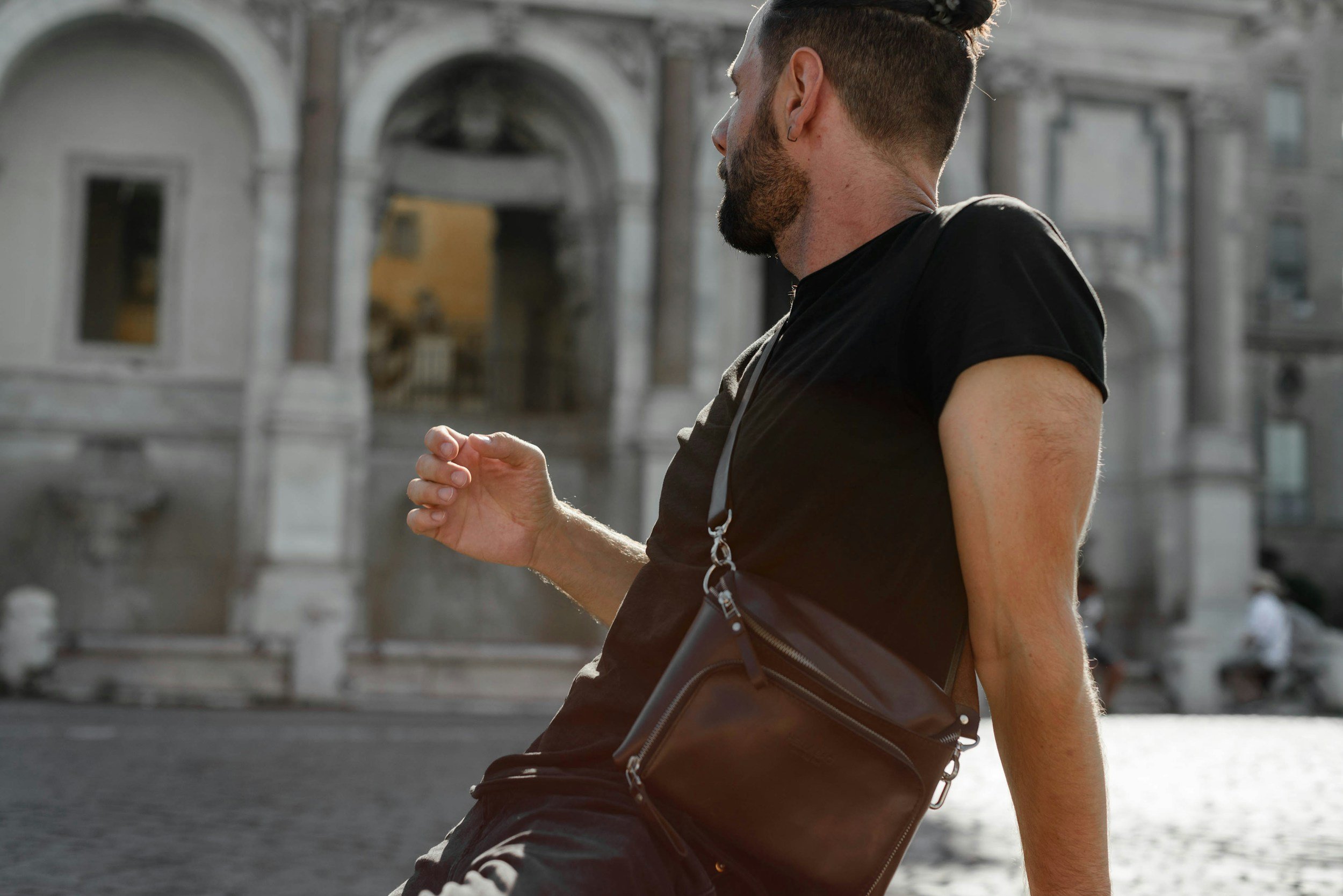
Not a “man purse”. Just a sleek and practical bag.
The Bag You Carry
On the four styles worth your attention this season, and why each one says something about how you choose to move through the world.
The bag you reach for in the morning is a small decision with a long echo. It goes everywhere you go. It holds what you need. It sits on the table at lunch, on the floor of a train, on the hook by the door. Choose it well.
Every spring, the fashion world produces its breathless inventory of what's new. Fruit-shaped clutches. Cobalt statement totes. Bags so small they hold little more than the idea of a bag. We admire the theatre of it, and then we set it aside.
On the four styles worth your attention this season, and why each one says something about how you choose to move through the world.
The bag you reach for in the morning is a small decision with a long echo. It goes everywhere you go. It holds what you need. It sits on the table at lunch, on the floor of a train, on the hook by the door. Choose it well.
Every spring & summer, the fashion world produces its breathless inventory of what's new. Fruit-shaped clutches. Cobalt statement totes. Bags so small they hold little more than the idea of a bag. We admire the theatre of it, and then we set it aside.
At Adorrit, we're interested in something steadier: the styles that earn their place in your life not because they arrived this season, but because they belong in every season. This season four bag silhouettes are worth your attention; not because they're trending, but because each one embodies something the European approach to dressing has always understood. That what you carry should feel like a choice, not a compromise.
01 The Slouchy Bag
Relaxed, but never careless
There is a particular kind of elegance that looks like it didn't try. The French have a word for it. The Italians live it. The Dutch, quietly and practically, have always understood it too.
The slouchy, unstructured bag is the physical expression of that sensibility. In supple suede or natural leather, sand, stone, warm ivory, the deep brown of good soil, it settles against the body with ease. It doesn't announce itself. It simply belongs.
This is not laziness dressed up as style. It is the confidence to know that restraint is its own kind of statement. The woman who carries this bag has already decided who she is. She doesn't need the bag to do it for her.
02 Woven Leather, Raffia & Straw
The craft that outlasts the season
A woven bag asks you to slow down and look. At the interlacing of strips, the tension of the weave, the hours of human attention that went into making something both beautiful and strong. This is what artisanship looks like when it's allowed to be itself.
Woven leather, raffia, and straw have had their moment before & they will have it again. Because the appeal is not novelty; it is authenticity. These materials come from the earth. They age honestly. They carry the marks of use with dignity.
If you've been drawn to the idea of curating your home with pieces that have story and soul, the same instinct applies here. A raffia tote or a straw bag with considered detailing is not just an accessory. It is an object with a life of its own; one that will outlast whatever else this season produces.
"The bag you carry should feel like a choice, not a compromise. Something that earns its place, not because it arrived this season, but because it belongs in every season."
03 The East-West Shoulder Bag
Functional, understated, entirely at ease
The east-west bag is horizontal where most bags are vertical. Longer than it is tall, it sits cleanly under the arm or across the body, taking up exactly the space it needs and no more. It is, in its way, a model of good design: it solves a problem elegantly, without calling attention to the solution.
Think of the woman stepping off a tram in Amsterdam with a slim leather bag tucked under her arm, coat unbuttoned, already thinking about something else. She is not performing style. She is simply dressed well, moving through her day. The east-west bag is made for exactly that kind of life; one that is full and purposeful and doesn't have time for fuss.
It holds what you need. It goes where you go. It looks good doing it. Sometimes that is enough.
04 The Metal Handle Bag
Architecture you can carry
The metal handle bag is a small study in contrast: soft material held by something hard, organic texture against geometric form. It is the kind of design detail that rewards attention without demanding it; you notice it when you look, and it pleases you each time.
But beyond the aesthetic, there is a philosophy embedded in this choice. A bag with a solid, considered handle is a bag built to last. It doesn't collapse under its own weight. It holds its shape across seasons. It is, in the truest sense, an investment. Not in the financial language of trends and resale value, but in the quieter language of quality and time.
Buy less. Buy better. Carry it for years. That is the Adorrit way, and the metal handle bag, almost more than anything else this season, embodies it.
A final thought
The bag you carry is a small thing and a large one at once. It is practical; it holds your keys, your card, the things that get you through the day. But it is also expressive in a way that goes beyond aesthetics. It reflects how you see yourself, how you move, what you value.
This season, we hope you find pieces that truly resonate with you. Not because a magazine told you what's in, but because something caught your eye and held it; because it felt right in your hand and honest in its making. Because it looked like something you'd still be reaching for in ten years.
That's the only trend worth following.
The Art of the Frame: How Europeans Hang Their Worlds on the Wall
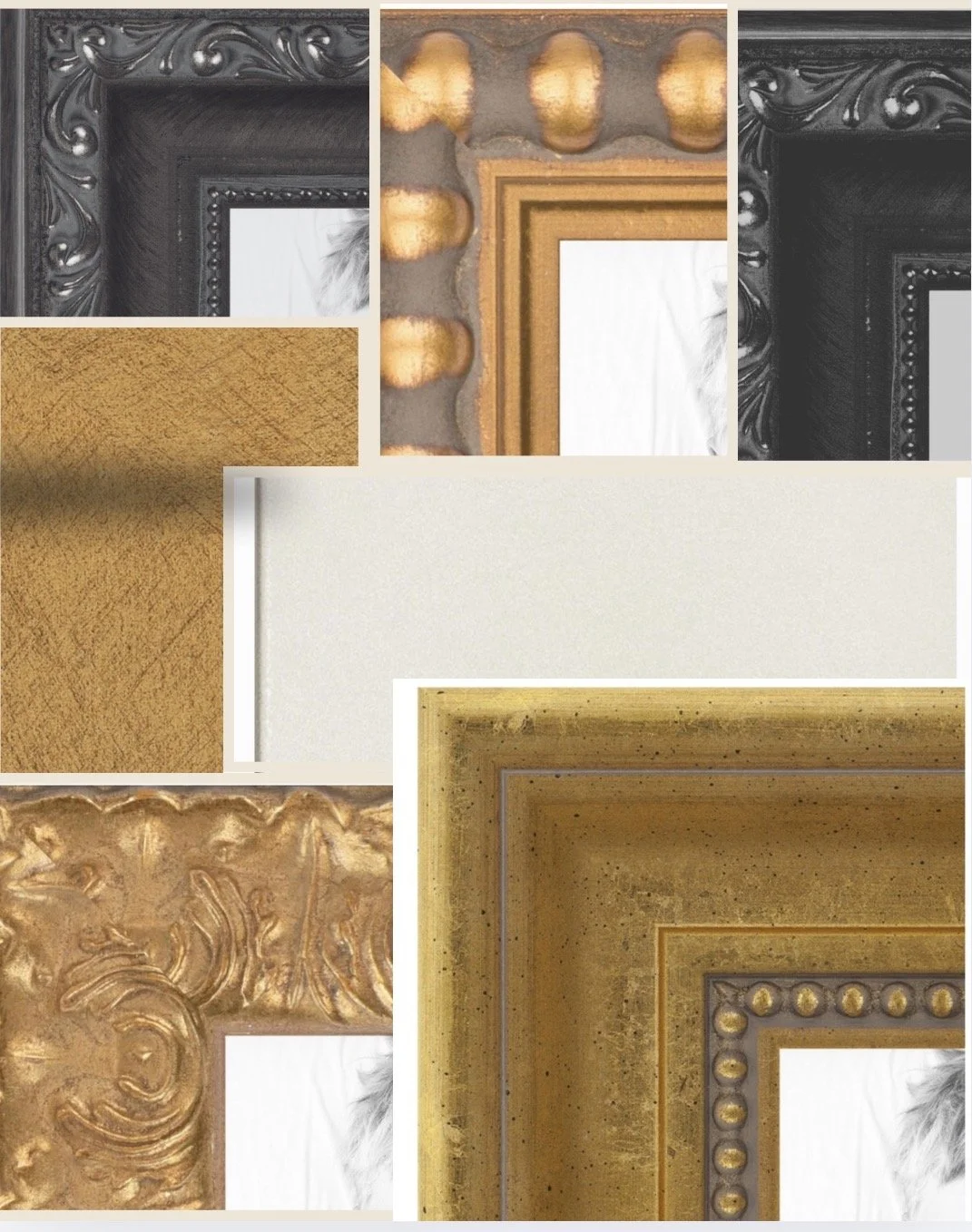
Which frame suits you?
From the gilded salons of Rome to the bare white walls of Copenhagen, a picture frame is never just a frame.
Walk into a home in Milan, then one in Stockholm, then one in Lisbon. The furniture might share a century, the light might fall the same way through the window, but the walls will tell you immediately where you are. Europeans have been living with framed art for centuries, and in that time, each culture has developed something close to a philosophy about it. The frame, it turns out, is one of the most honest things in a room.
Italy: The Frame as Protagonist
In Italy, and particularly in the south, the frame is not a supporting actor. It is the performance. The Italian tradition draws directly from the Baroque, that 17th-century explosion of ornament, drama, and divine self-confidence; and it never quite let go. In a Neapolitan apartment or a Florentine palazzo, you’ll find frames with deep carved gilding, scrollwork that curls like breaking waves, and profiles so thick and layered they cast their own shadows. The artwork inside almost becomes secondary to the theatrical announcement of it.
This is not ostentation for its own sake. For Italians, decorating a wall is an act of cultural memory. Framed oil portraits of ancestors sit alongside reproductions of Renaissance masters, and both are treated with the same reverence. The home is a museum of the self; curated, proud, and unapologetically beautiful. Even in more modern Italian interiors, you’ll find a remnant of this instinct: a single large, heavily framed mirror above a console, or an ornate gilded frame holding something entirely contemporary, the old and the new in deliberate conversation.
France: Romance, Restraint, and the Gallery Wall
The French have always understood that style is a form of argument. Where the Italians opt for grandeur, the French approach their walls with a kind of studied nonchalance; what they might call *un certain je ne sais quo* that is, in reality, extremely considered.
The classic French interior lives somewhere between the Romantic period and the early 20th century. Frames tend toward the ornate but are more restrained than their Italian counterparts: simple gold-leaf moulding, fine linen mats in antique white, the occasional black lacquered frame holding a botanical print or a faded map. What distinguishes the French approach above all is the salon wall: a floor-to-ceiling, edge-to-edge arrangement of mismatched frames, different sizes and eras hung in an organic cluster. It looks effortless. It takes weeks to get right.
This tradition of the accrochage (the hang) treats the entire wall as a composition. Frames bump up against each other at unexpected angles; a tiny watercolor sits beside an oversized vintage poster; family photographs share space with museum postcards. The result is layered, literary, and deeply personal;* a wall that tells the story of a life lived with curiosity.*
Scandinavia and the Nordic Countries: The Anti-Frame
Spend any time in a Danish or Swedish home and you may notice something striking: the walls are almost bare. What hangs on them tends to be simple to the point of austerity; a single lithograph in a thin black aluminum frame, a child’s drawing pinned without ceremony, a lone botanical sketch in a slim natural oak border. The Nordic philosophy of *lagom* (just enough) applies to walls just as it applies to everything else.
This is not a lack of aesthetic feeling. It is, if anything, a more intense one. The Scandinavian interior treats negative space as a material; the empty wall around a single framed piece is part of the design, not an oversight. Frames themselves are chosen to disappear: thin profiles in matte black, pale ash, or unvarnished wood that echoes the flooring. The artwork is allowed to speak without competition.
In Finland and Norway, there is also a strong tradition of bringing the landscape indoors; not through painted representations, but through raw materials. A frame made of driftwood or birch, holding a piece of pressed foliage or a monochrome photograph of the coast, is the Nordic wall’s quiet poetry. Less is always more, but the less is chosen with absolute precision.
Iberia: Warmth, Tiles, and the Sacred Corner
In Portugal and Spain, the relationship with wall decoration is altogether warmer and more eclectic. The Iberian home has always mixed the sacred and the domestic without embarrassment: a framed image of a saint might hang beside a child’s school photograph, a painted ceramic plate might anchor a cluster of smaller frames holding holiday snapshots and pressed flowers. There is no hierarchy. Everything that matters earns its place on the wall.
Portuguese interiors in particular have a distinctive layering; azulejo tile panels serve as wall art in their own right, but surrounding them, frames tend to be dark wood, almost ecclesiastical in weight, with a patina that speaks of age and inheritance. In Spain, especially in Andalusia, the influence of Moorish geometry shows up in the arrangement: frames hung in diamond configurations, or grouped in perfectly symmetrical pairs flanking a central mirror or crucifix.
Color, too, plays a role that would be unthinkable in Scandinavia. Iberian walls are often painted in ochre, terracotta, or deep colonial blue, and the frames chosen to hang against them are bolder for it, sometimes painted the same color as the wall to create a tonal, almost dreamy effect.
What the Frame Reveals
What is remarkable about all of this is how faithfully the humble picture frame reflects a culture’s deeper values. The Italian frame announces beauty as a birthright. The French frame performs sophisticated casualness. The Nordic frame practices restraint as a form of respect. The Iberian frame makes no distinction between the sacred and the everyday.
If you want to understand how a people think about the home, about memory, status, beauty, and belonging, don’t look at the furniture. Look at what they put on the walls, and how they chose to surround it.
The frame, in the end, is always a self-portrait.
Shop our curated collection of European-inspired frames, from gilded Baroque profiles to Nordic slim-line oak designed to bring intention to every wall.
Adorrit Editorial ✨
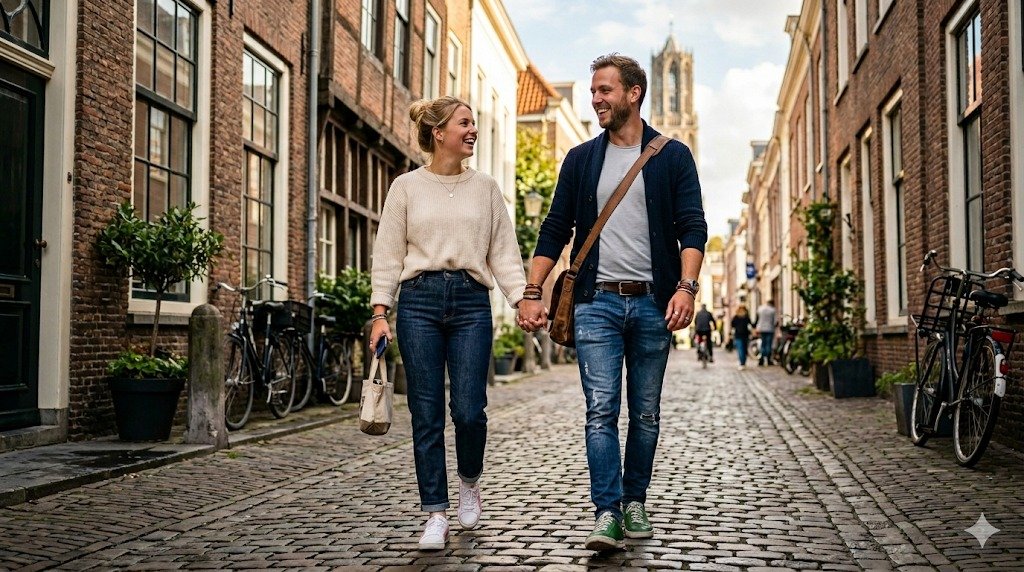
The European Way of Dressing And Why It Matters
The European Way of Dressing
And Why It Matters
There's a quiet but unmistakable difference between how people present themselves in Europe versus the United States. It's not about wealth, trends, or even access to fashion — it's about mindset. About intention. About how you choose to show up in the world.
In much of Europe, getting dressed is not treated as an afterthought. It's a daily ritual, a form of self-respect, and a subtle acknowledgment of the shared public space. Even the simplest outfit — a fitted shirt, well-cut trousers, clean shoes — signals care. Not excess. Not vanity. Just awareness.
By contrast, American style often prioritizes comfort above all else. Sweatpants at the supermarket. Pajama pants on a coffee run. Oversized hoodies, leggings worn as default attire, shapeless silhouettes that blur individuality rather than express it. It's not that comfort is wrong — but when comfort becomes the only standard, something gets lost.
Clothing Shapes Behavior
What you wear doesn't just affect how others see you — it influences how you carry yourself. Structured clothing encourages posture, presence, and intention. When your clothes fit well, you move differently. You stand differently. You engage differently.
Loose, oversized, or overly casual clothing tends to do the opposite. It invites passivity. It signals "I didn't think about this," even if that wasn't your intention. Over time, that becomes a habit — not just in dress, but in mindset.
Europeans, generally, don't separate "real life" from "stepping out." Leaving the house is an event worth preparing for, even in small ways. That doesn't mean dressing formally — it means dressing deliberately.
"Leaving the house is an event worth preparing for, even in small ways. That doesn't mean dressing formally — it means dressing deliberately."
Why You Rarely See Pajamas in Public in Europe
In many European cultures, public space is shared space — and that comes with an unspoken agreement: you present yourself with a baseline level of respect. Pajamas, overly revealing loungewear, or visibly "indoor" clothing are seen as private, not public.
It's not about judgment. It's about context.
The idea is simple: how you show up affects the atmosphere around you. When everyone participates in that standard, the environment feels elevated — cafés feel more refined, streets feel more intentional, everyday life feels just a bit more curated.
Masculinity and the Fear of Effort
One of the most interesting contrasts shows up in how men relate to clothing.
In the U.S., many men hesitate around tailored or expressive style. Slim trousers feel "too much." A well-fitted shirt feels "dressy." A leather bag becomes a "man purse." There's often an underlying fear: that caring about appearance somehow threatens masculinity.
But that fear says more about insecurity than strength.
In Europe, masculinity isn't tied to indifference. It's tied to confidence. And confidence doesn't shy away from detail — it embraces it.
"A tailored jacket, a structured coat, a refined leather bag — these aren't statements of vanity. They're signals of self-assurance. Of knowing who you are, and not needing to downplay it."
European men don't avoid style to prove something. They use it, naturally, without overthinking it.
The Power of Fit and Proportion
European style is less about having more clothes, and more about having the right clothes. Pieces that fit. That follow the shape of the body without clinging or drowning it. That create clean lines instead of visual noise.
This applies to everyone.
Oversized clothing can feel safe — but it often hides rather than enhances. Constant reliance on leggings or ultra-casual wear can flatten personal style into a single note. When everything is "easy," nothing stands out.
Well-fitted clothing, on the other hand, creates quiet distinction. It doesn't scream — it speaks clearly.
Dressing Well Is a Form of Respect
For yourself. For others. For the spaces you move through.
It's not about dressing up — it's about not opting out.
The European approach reminds us that everyday life is worth showing up for. That style isn't reserved for special occasions. That effort, even minimal effort, compounds into something meaningful over time.
When you adopt this mindset, things shift.
You feel more put-together without needing more clothes. You gain confidence without forcing it. You stand out — not by being loud, but by being intentional. You experience daily life with a subtle sense of occasion.
And perhaps most importantly, you stop treating yourself like an afterthought.
Because style, at its core, isn't about impressing others.
It's about deciding that how you show up matters. Every day.
There's a quiet but unmistakable difference between how people present themselves in Europe versus the United States. It's not about wealth, trends, or even access to fashion; it's about mindset. It’s About how you choose to show up in the world.
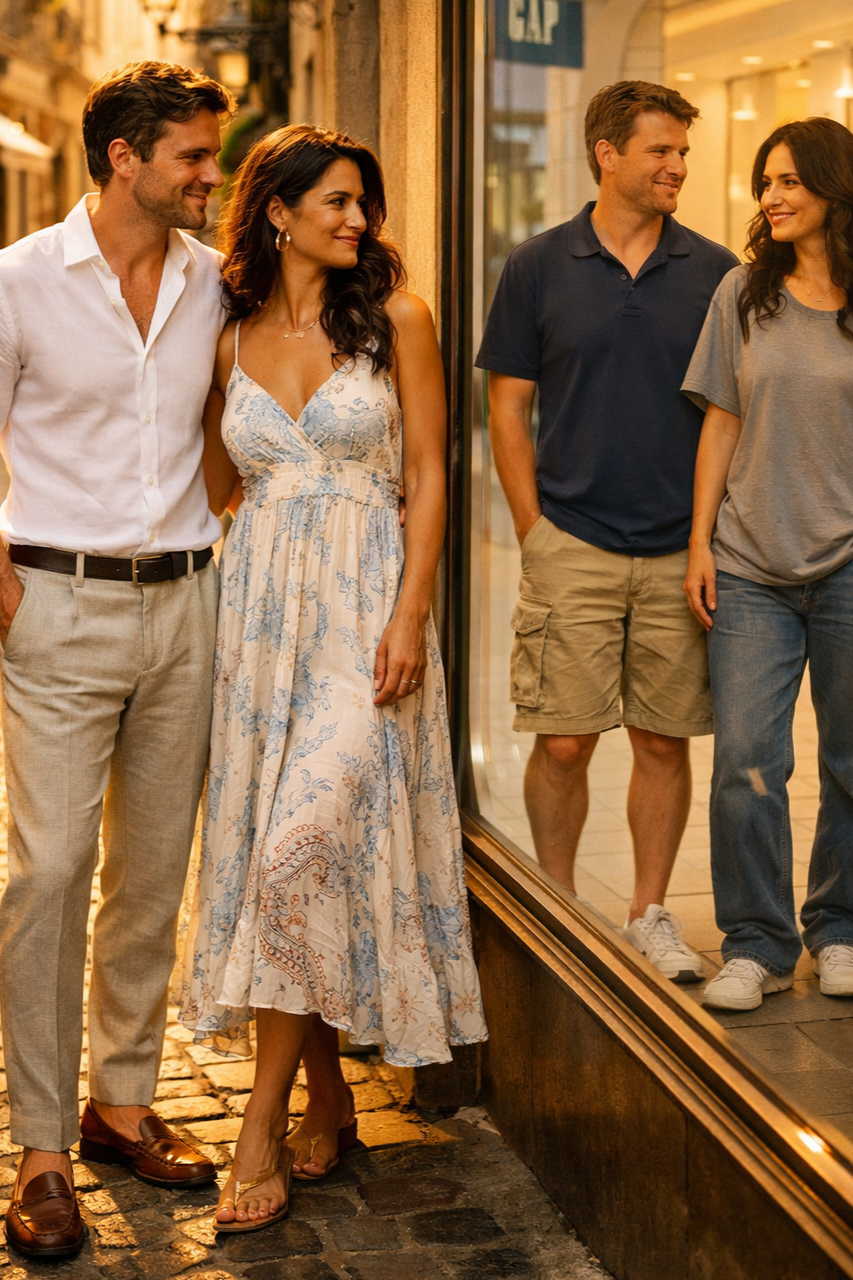
In much of Europe, getting dressed is not treated as an afterthought. It's a daily ritual, a form of self-respect, and a subtle acknowledgment of the shared public space. Even the simplest outfit, a fitted shirt, well-cut trousers, clean shoes, signals care. Not excess. Not vanity. Just awareness.
By contrast, American style often prioritizes comfort above all else. Sweatpants at the supermarket. Pajama pants on a coffee run. Oversized hoodies, leggings worn as default attire, shapeless silhouettes that blur individuality rather than express it. It's not that comfort is wrong, but when comfort becomes the only standard, something gets lost.
Clothing Shapes Behavior
What you wear doesn't just affect how others see you; it influences how you carry yourself. Structured clothing encourages posture, presence, and intention. When your clothes fit well, you move differently. You stand differently. You engage differently.
Loose, oversized, or overly casual clothing tends to do the opposite. It invites passivity. It signals "I didn't think about this," even if that wasn't your intention. Over time, that becomes a habit, not just in dress, but in mindset.
Europeans, generally, don't separate "real life" from "stepping out." Leaving the house is an event worth preparing for, even in small ways. That doesn't mean dressing formally; it means dressing deliberately.
"Leaving the house is an event worth preparing for, even in small ways. That doesn't mean dressing formally; it means dressing deliberately."
Why You Rarely See Pajamas in Public in Europe
In many European cultures, public space is shared space, and that comes with an unspoken agreement: you present yourself with a baseline level of respect. Pajamas, overly revealing loungewear, or visibly "indoor" clothing are seen as private, not public.
It's not about judgment. It's about context.
The idea is simple: how you show up affects the atmosphere around you. When everyone participates in that standard, the environment feels elevated; cafés feel more refined, streets feel more intentional, everyday life feels just a bit more curated.
Masculinity and the Fear of Effort
One of the most interesting contrasts shows up in how men relate to clothing.
In the U.S., many men hesitate around tailored or expressive style. Slim trousers feel "too much." A well-fitted shirt feels "dressy." A leather bag becomes a "man purse." There's often an underlying fear: that caring about appearance somehow threatens masculinity.
But that fear says more about insecurity than strength.
In Europe, masculinity isn't tied to indifference. It's tied to confidence. And confidence doesn't shy away from detail; it embraces it.
"A tailored jacket, a structured coat, a refined leather bag, these aren't statements of vanity. They're signals of self-assurance. Of knowing who you are, and not needing to downplay it."
European men don't avoid style to prove something. They use it, naturally, without overthinking it.
The Power of Fit and Proportion
European style is less about having more clothes, and more about having the right clothes. Pieces that fit. That follow the shape of the body without clinging or drowning it. That create clean lines instead of visual noise.
This applies to everyone.
Oversized clothing can feel safe, but it often hides rather than enhances. Constant reliance on leggings or ultra-casual wear can flatten personal style into a single note. When everything is "easy," nothing stands out.
Well-fitted clothing, on the other hand, creates quiet distinction. It doesn't scream. It speaks clearly.
Dressing Well Is a Form of Respect
For yourself. For others. For the spaces you move through.
It's not about dressing up, it's about not opting out.
The European approach reminds us that everyday life is worth showing up for. That style isn't reserved for special occasions. That effort, even minimal effort, compounds into something meaningful over time.
When you adopt this mindset, things shift.
You feel more put-together without needing more clothes. You gain confidence without forcing it. You stand out, not by being loud, but by being intentional. You experience daily life with a subtle sense of occasion.
And perhaps most importantly, you stop treating yourself like an afterthought.
Because style, at its core, isn't about impressing others.
It's about deciding that how you show up matters. Every day.
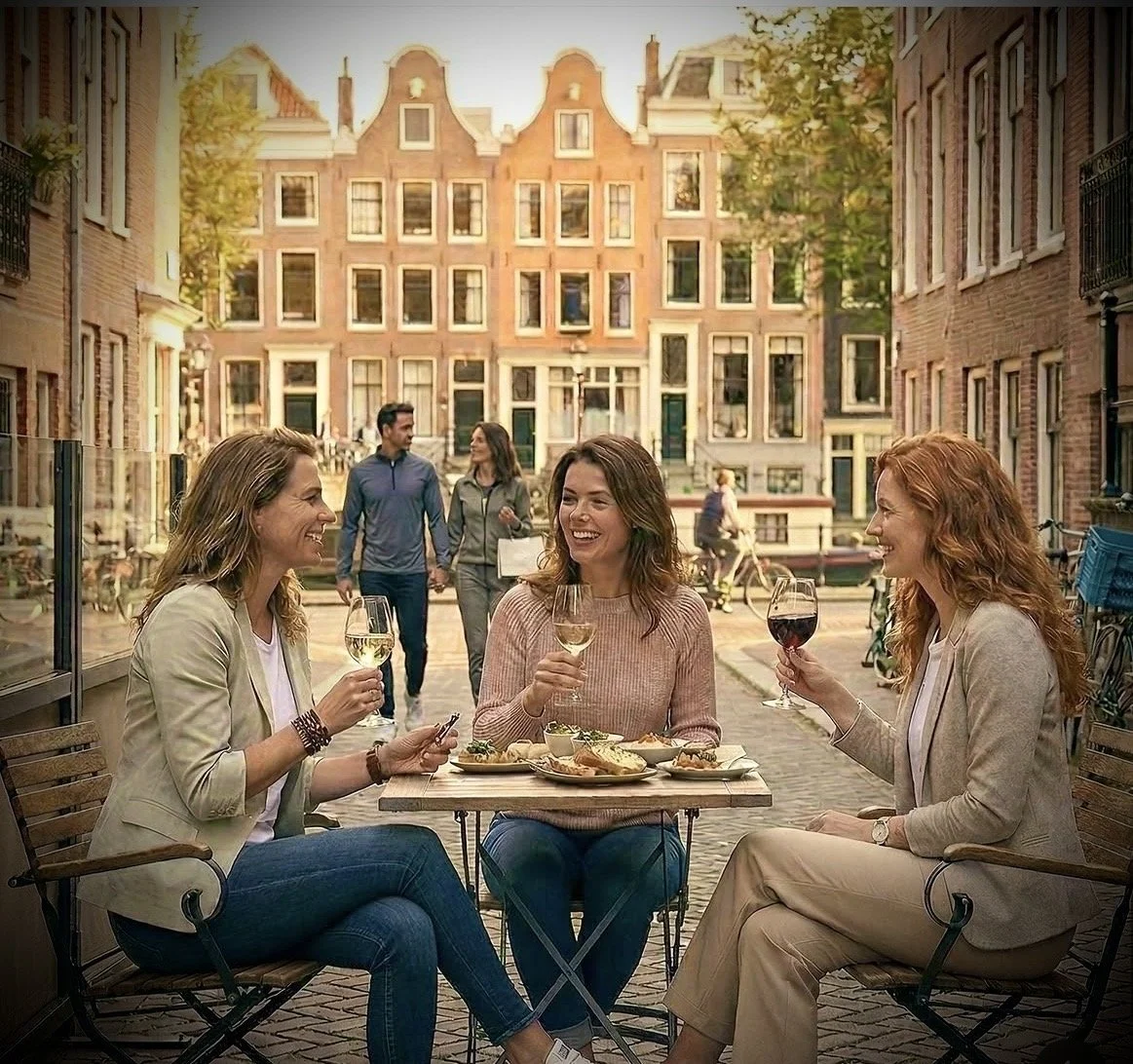
Decoding European Spring Style: Clean Lines, Soft Colors, Quiet Luxury
A fresh season calls for refined simplicity. This guide breaks down how European women dress for spring. Think tailored silhouettes, delicate layers, soft neutrals, and effortless elegance woven into everyday looks. Discover the key pieces and styling principles that make European spring fashion feel so intentional and beautifully put‑together.
Spring is the season of renewal, and for women’s fashion, it’s the perfect time to embrace a wardrobe that feels light, refined, and effortlessly put together. This year, the influence of European style is unmistakable: clean silhouettes, breathable fabrics, and a focus on looking polished without appearing overdone. The goal isn’t to try harder, it’s to look better with less effort.
The Core Idea: Effortless Structure
European spring fashion for women is all about balance. Structured pieces are softened with relaxed tailoring, creating outfits that feel both elegant and easy to wear. Think lightweight blazers with a natural drape, worn over a simple tank or fine-knit top. These pieces add instant polish without feeling restrictive.
Trousers and skirts follow suit. High-waisted, slightly relaxed trousers or midi skirts with fluid movement replace anything too tight or overly stiff. The fit is intentional but never uncomfortable.
Fabrics That Move With You
Comfort is non-negotiable. European-inspired spring style leans heavily on breathable, high-quality materials such as linen, cotton, silk blends, and soft knits. These fabrics not only look elevated but also allow for natural movement throughout the day.
A slightly rumpled linen shirt or a flowing cotton dress isn’t seen as imperfect; it’s part of the aesthetic. The emphasis is on clothes that live with you, not against you.
Elevated Everyday Pieces
Basics take center stage this season, but with a refined twist. A well-cut white blouse, a neutral-toned knit top, or a simple slip dress becomes the foundation of multiple outfits. The difference lies in the fit and fabric, clean lines, soft textures, and a muted color palette.
Expect to see shades like cream, taupe, olive, navy, and soft pastels layered together for a cohesive, understated look. Loud prints and heavy branding take a backseat to quiet sophistication.
Footwear: Stylish and Walkable
Footwear is where European style truly excels, especially for spring.
Comfortable sneakers are essential, but they’re sleek and minimal. Think low-profile leather or suede sneakers in neutral tones that pair just as well with dresses as they do with trousers.
Equally popular are sneaker-style flats or loafers; shoes that combine the elegance of classic silhouettes with cushioned soles and flexible construction. These are perfect for long days on your feet without sacrificing style.
Dresses That Flow, Not Cling
Spring dresses in this style are easy, breathable, and versatile. Midi-length silhouettes with subtle movement; wrap dresses, shirt dresses, or relaxed A-line cuts, offer both comfort and elegance.
The key is effortlessness: something you can throw on and instantly feel put together without needing heavy accessorizing.
Outerwear That Elevates
Light outerwear plays a major role in transitional weather. Tailored trench coats, minimalist wool coats, or structured overshirts add depth to an outfit without weighing it down.
Look for clean lines, neutral tones, and pieces that layer easily over both casual and slightly dressier looks.
Accessories: Understated Refinement
Accessories are minimal but intentional. A structured leather bag, simple gold or silver jewelry, and a pair of classic sunglasses are often all that’s needed.
The European approach favors quality over quantity: each piece complements the outfit rather than competing for attention.
Why This Approach Wins
Compared to the traditional American approach to spring dressing, which often leans toward overly casual pieces like athleisure sets, flip-flops, or heavily trend-driven items, this European-inspired style offers a more balanced alternative. It combines comfort with polish, resulting in outfits that feel relaxed yet undeniably refined.
You’re not sacrificing ease; you’re elevating it.
Final Thought
Spring fashion doesn’t have to be complicated or uncomfortable. By focusing on breathable fabrics, relaxed tailoring, and versatile pieces, you can build a wardrobe that works seamlessly for your everyday life.
The beauty of European-inspired style is that it doesn’t demand attention.
It earns it, quietly and effortlessly.